 apk Apk Toko Abi
The allure of risk-taking
The human attraction to risk is deeply embedded in our psychology. Engaging in risky behavior, such as gambling, activates the brain’s reward system, releasing neurotransmitters like dopamine. This chemical response creates a sense of pleasure and excitement, which encourages individuals to seek out environments where they can take these risks. Casinos epitomize such environments, with their vibrant lights and thrilling sounds designed to enhance the emotional experience of risk-taking. As players search for strategies that ensure a smooth gaming experience, they often appreciate options for fast casino withdrawal that can heighten their enjoyment and satisfaction.
Furthermore, many individuals possess a natural thrill-seeking trait, characterized by a desire for new and exhilarating experiences. This thrill-seeking behavior can manifest in various ways, from extreme sports to gambling. Casinos provide a structured environment where individuals can explore this craving for excitement in a controlled manner. The potential for significant financial reward amplifies the stakes, making each game feel like a unique adventure. In this sense, the casino becomes not just a venue for gambling, but a playground for those looking to satisfy their thirst for adrenaline, further deepening their connection to risk.
Moreover, the psychology behind risk-taking in casinos is compounded by the social aspect of gambling. Many individuals enjoy the camaraderie that comes with shared experiences, such as cheering for each other at the gaming tables or discussing strategies. This communal atmosphere can heighten the thrill of risk, making patrons feel part of a larger narrative. They are not just isolated participants but part of an engaging social ecosystem. Such interactions enhance the emotional stakes involved, making the act of gambling not merely a solitary endeavor but a collective journey into the realm of risk.
The influence of cognitive biases
Cognitive biases significantly shape our decisions and perceptions about risk in gambling environments. One of the most prominent biases is the illusion of control, where gamblers believe they can influence the outcome of games of chance. This belief can lead individuals to take larger risks, as they feel empowered by the misconception that skill or strategy can tip the odds in their favor. Casinos capitalize on this bias by designing games that appear to offer players some control, even in situations where luck is the sole determinant of success. This design encourages players to engage more deeply, despite the inherent randomness of the games.
Another common cognitive bias is the gambler’s fallacy, which involves the mistaken belief that past events can influence future outcomes. For example, a player might think that after a series of losses, a win must be due, leading them to continue gambling in hopes of recouping their losses. This persistent belief fuels continued engagement with games, as players often fail to recognize the true randomness inherent in many casino games. The casino environment thrives on this bias, encouraging players to chase their losses and remain engaged longer than they might otherwise, creating a cycle of risk-taking behavior that is hard to break.
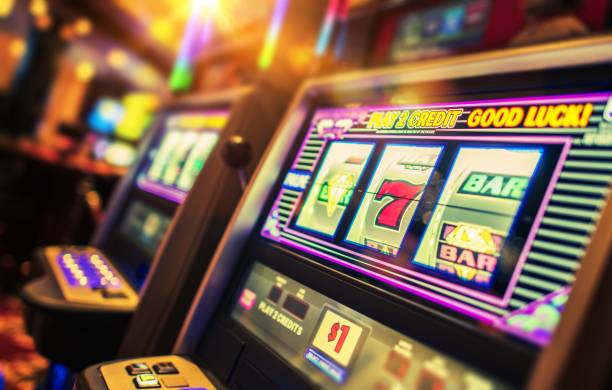
Moreover, confirmation bias — the tendency to favor information that confirms existing beliefs — can further entrench players in their gambling behaviors. Gamblers often remember their wins more vividly than their losses, reinforcing the belief that they have a successful strategy. This selective memory can lead to an overestimation of their chances of winning, prompting them to return to the casino in search of another big win. Understanding these cognitive biases helps illuminate why many are drawn to gambling and why they continue to entertain the allure of risk within casinos, creating a complex interplay between psychology and behavior.
The role of emotional factors
Emotions play a significant role in our decision-making, especially in high-stakes environments such as casinos. Upon entering a casino, individuals often experience a rush of excitement mixed with anxiety, which can heighten their engagement with gambling activities. This emotional rollercoaster can lead to impulsive decisions, as the brain’s arousal system encourages quick, and sometimes reckless, choices. The immediate gratification of a win can serve as a powerful motivator, making it difficult for players to resist the call of the next bet, even when logic suggests otherwise.
Additionally, the emotional highs and lows associated with gambling can create a reinforcing cycle that encourages continued play. For many, the thrill of a win provides a euphoric feeling that often overshadows the losses experienced along the way. This phenomenon can lead players to rationalize their behavior, believing they are due for another win or that their luck will change. In this context, the emotional ties to gambling become intertwined with the decision-making process, complicating the relationship between risk and reward, and ultimately leading to a deeper entrenchment in gambling behavior.
Moreover, casinos are designed to enhance emotional responses through sensory experiences. The bright lights, engaging soundscapes, and comfortable environments are engineered to keep players entertained and emotionally invested. By creating an immersive atmosphere, casinos effectively manipulate emotional responses to prolong gambling sessions. This emotional engagement not only deepens the attraction to the risks of gambling but also makes it challenging for individuals to disengage from the experience, leading to prolonged periods of risk-taking behavior that can have lasting consequences.
Social and environmental factors
The social dynamics surrounding casinos significantly influence an individual’s propensity to engage in risk-taking behavior. Many people view casinos as social locales, where they can meet friends, celebrate milestones, or even make new acquaintances. This social aspect can amplify the excitement related to gambling, as individuals are more likely to take risks when they feel part of a group. The collective cheers and camaraderie at tables can encourage players to take bolder bets than they might have otherwise considered, enhancing the overall thrill of the experience.

Additionally, the environment of a casino is purposely designed to encourage risks. From the strategically placed games to the enticing layout of the casino floor, every element is crafted to draw players in and keep them engaged. This attention to environmental design plays a vital role in influencing behavior, as it creates an atmosphere rich with opportunities for risk-taking. The visually stimulating surroundings can heighten anticipation and lead to impulsive decisions, making it difficult for players to resist the urge to gamble, even when they are aware of the potential downsides.
Social proof is another critical factor influencing gambling behavior. When players witness others winning at the tables, it creates a psychological phenomenon where they believe success is contagious. Observing fellow gamblers achieve significant wins can inspire players to take more significant risks themselves, driven by the belief that they too could strike fortune. This social validation makes casinos more enticing, as individuals feel encouraged by the collective successes around them. Consequently, the interplay of social and environmental factors creates a multifaceted environment that nurtures our fascination with risk in gambling contexts, shaping behaviors in profound ways.
Exploring responsible gaming and awareness
As the psychology of risk continues to influence behaviors within casinos, understanding responsible gaming becomes increasingly important. Casinos and regulatory bodies are adapting to emphasize the significance of playing responsibly. This includes not only providing information about the risks associated with gambling but also offering resources for individuals who may be struggling with addiction or compulsive behaviors. By fostering a culture of awareness, the gambling industry aims to mitigate potential harm while allowing patrons to indulge in the thrill of risk responsibly.
Additionally, promoting responsible gaming means educating players on the odds of various games and the true nature of chance. By providing transparent information about potential payouts and risks, casinos can empower players to make more informed decisions. This knowledge can lead players to engage in gambling as a form of entertainment rather than a means of financial gain, thus reducing the likelihood of developing problematic behaviors. The shift towards responsible gaming reinforces the importance of understanding the psychology of risk and its implications for players, promoting healthier gaming practices.
In conclusion, as we explore the complexities of why individuals are drawn to casinos, it becomes evident that a comprehensive understanding of psychological, social, and emotional factors is crucial. By enhancing awareness of the risks associated with gambling and promoting responsible practices, both players and the industry can ensure that the enjoyment derived from gaming remains a healthy pursuit. This awareness not only benefits players but also contributes to the integrity and sustainability of the gaming environment, fostering a responsible culture surrounding risk and entertainment.
